


If you’re beginning your journey into beer education, learning more about classic beer styles can be a great place to start.
At WSET, our beer qualifications explore key styles from global brewing regions, discussing how ingredients and processes come together in the glass to make these beers taste the way they do.
Styles aren’t static though. In this blog post, we’ll explore the history of three classic British beer styles – stout, pale ale and mild – and what they can teach us about beer’s past and present.
Stout: The bold, dark original
Rich, roasted, and unapologetically bold.
Stout evolved from porter, the dark beer that fuelled 18th-century London’s working classes. Originally, “stout” simply meant “strong,” and “stout porter” referred to a more robust version of the same beer. Over time, stout took on its own identity.
Thanks to heavily roasted malts, stout’s flavour profile leans towards coffee, chocolate and burnt bread. Beer writer Annabel Smith puts it succinctly:
“If stout were coffee, it would be a rich, dark espresso.”
This roasty depth made stout a reliable favourite: beloved by dockworkers, brewers’ draymen, and eventually worldwide through the success of brands like Guinness.
Today’s brewers continue to innovate: oatmeal stouts add silkiness, milk stouts bring a touch of sweetness, and imperial stouts dial up alcoholic strength. Whatever the variation, the style remains a celebration of roasted malt, body, and balance - something students experience first-hand in WSET's beer tasting framework.
Pale ale: The beer that changed beer forever
Before the 18th century, most beers were dark, brewed using malts dried over fire. The invention of pale malt, kilned more gently and cleanly, was a revolution: it produced beers that were brighter in colour and visually striking.
One town played a starring role: Burton upon Trent. Its sulphate-rich water created crisp, clear, hop-forward beers that quickly became famous. Burton pale ales were highly prized and fetched premium prices.
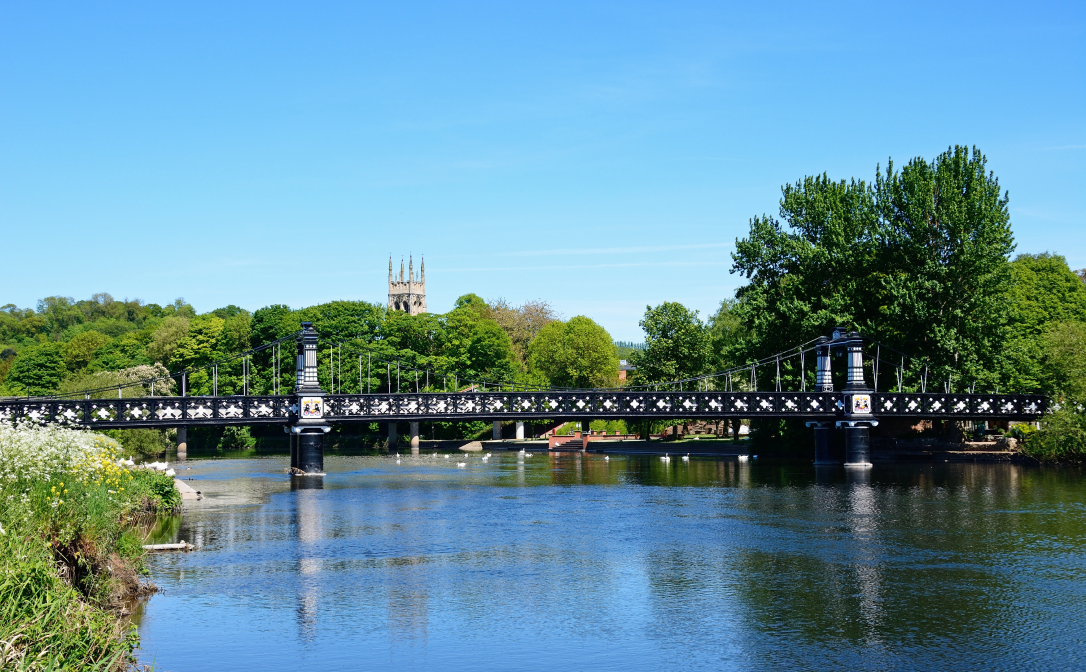
The Ferry bridge over the river Trent in Burton upon Trent.
Pale ale also became one of Britain’s most influential exports. Extra hops and boosted alcohol levels helped the beer to survive months-long overseas journeys to British colonies in India, eventually giving rise to the India pale ale (IPA).
But pale ale wasn’t always in ascendancy. As Annabel explains,
“By the 1950s and 60s, pale ales lost market share to lighter, cheaper beers coming in from the continent. These were easier to look after and had a longer shelf life.”
All wasn’t lost though. In the late 20th century, pale ales made a comeback... across the pond. American homebrewers and craft brewers put their own spin on the British classic by incorporating American hops, instead of the traditional British hops that would have been used back home. This is why today’s pale ales and IPAs are known for their citrus and pine character.
Although it was the pale malt that initially made the pale ale style stand out, these days it’s all about the (American) hops!
Mild: The quiet classic
If stout is the bold espresso and pale ale the pioneering innovator, mild is the comforting cup of tea: smooth and malty.
Originally, “mild” simply referred to a young beer that was not aged or heavily hopped and was available in a range of alcoholic strengths. This made it affordable, approachable and incredibly popular during the Industrial Revolution, when factory workers wanted a pint with lower alcohol and bitterness after long shifts.
“Mild suited factory owners perfectly,” Annabel notes, “because workers could drink large quantities without turning up to work still inebriated.”
By the early 20th century, mild dominated the market, accounting for more than three-quarters of all beer brewed in Britain. But post-war rationing and changing tastes saw its strength fall, and by the 1960s mild was unfairly dismissed as “wishy-washy” or old-fashioned.
Today, mild is finding new fans. With growing demand for lower-alcohol but flavour-rich options, drinkers are rediscovering the style’s soft maltiness and gentle sweetness. Campaigns like “Mild May” have helped pubs reintroduce it to curious drinkers.
The cask connection
What unites stout, pale ale and mild isn’t just their heritage - it’s how they were traditionally served: from the cask.
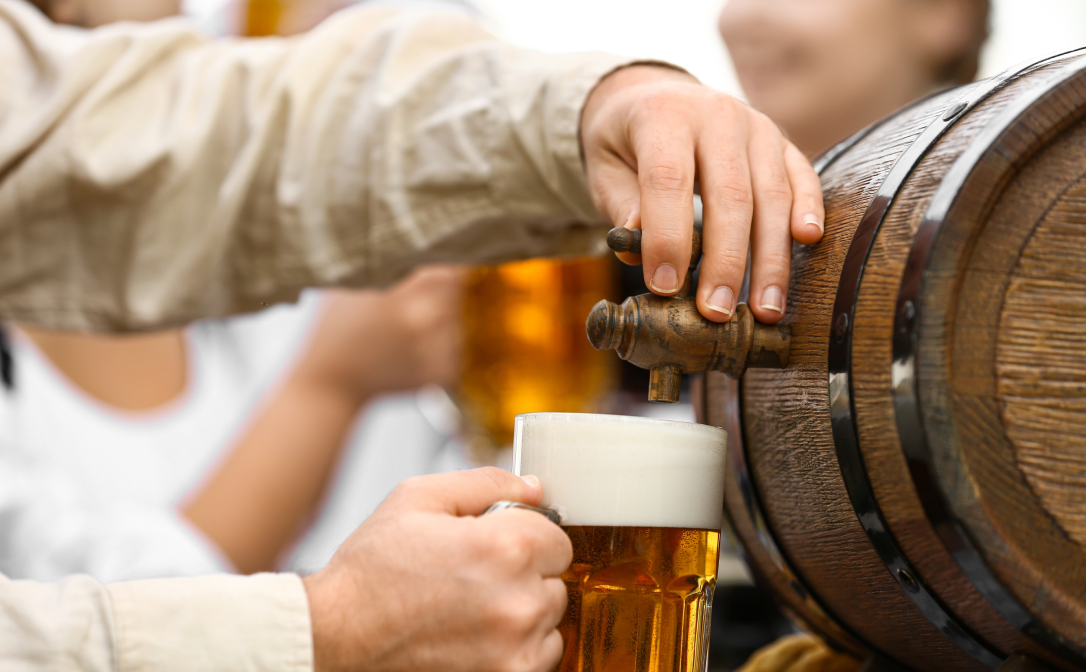
Beer being served from a cask at a festival.
Cask-conditioned beer (or “real ale”) is unfiltered, unpasteurised and still alive with yeast. It undergoes a final fermentation in the pub cellar, leading to natural carbonation and incredible flavour nuance. Annabel describes it perfectly:
“Cask beer is like a meal kit: all the components are there, but you have to apply time, temperature and skill to finish it.”
Cask beer must be kept at 11–13°C, allowed to settle, and sold within days. This makes it labour-intensive to manage, and in the late 20th century many pubs moved to easier, more stable keg beers.
Its survival owes much to CAMRA (the Campaign for Real Ale), whose grassroots activism helped preserve cask culture and protect countless traditional styles from disappearing.
Learning from the beers that built Britain
Stout, pale ale and mild aren’t just historic curiosities: they remain essential reference points for today’s beer professionals, enthusiasts and learners. Their evolution reflects innovations in malt production, water chemistry, global trade, and more.
They also offer an accessible starting point for building tasting skills, exploring flavour profiles, and understanding the influence of ingredients and processes - all key components of the WSET beer curriculum.
If exploring these styles sparks your curiosity, our WSET Level 1 and Level 2 Awards in Beer provide a structured and enjoyable way to deepen your knowledge. You’ll learn how to taste beer systematically, understand why styles differ, and appreciate classic styles.
So, whether you’re sipping a roasty stout, a bright pale ale or a smooth, understated mild, you’re tasting a modern beer style with a story rooted in British brewing history’.
