


At WSET, we believe education is for everyone, and “everyone” doesn’t mean the same. The drinks industry thrives on diversity of voices, but just as important are the diverse ways in which people think and learn. Recognising and embracing neurodiversity is not just about inclusion, it is also about unlocking creativity, resilience and innovation across the hospitality and drinks sectors.
That was the theme of a recent conversation hosted by Tracy Doran, WSET’s Educator Development & Training Lead and chair of our Neurodiversity Culture Group. Tracy spoke with two leading voices who are helping to change how our sector views different ways of thinking: Aidy Smith, award-winning TV presenter, journalist and advocate for inclusivity, and Ben Branson, entrepreneur, Seedlip founder and creator of The Hidden 20%, a global community supporting neurodivergent people.
The conversation was frank, moving and deeply inspiring. What emerged was a reminder that neurodivergence brings both challenges and opportunities, and that the drinks world stands to benefit enormously from embracing it.
Aidy began by recalling the early years of his career. Living with Tourette Syndrome, ADHD, dyslexia, dyspraxia and dyscalculia, he was quickly labelled a “rebel” or “oddball” rather than taken seriously. Tastings and trade events, which should have been opportunities to learn and connect, often became experiences of exclusion.
“These were experiences where I felt incredibly ostracised. I wasn’t taken seriously… People were intimidated. I was labelled a rebel, an oddball, someone with a screw loose.”
Ben’s story followed a different path, but with a similar theme of misunderstanding. Despite years of psychiatric assessments, he reached his late thirties before discovering that he was autistic and had ADHD. By that point he had already created Seedlip, the world’s first distilled non-alcoholic spirit.
“It changed everything and nothing. What it did do was let me be the kindest to myself I’ve ever been. I finally understood my brain.”
Click on the image to discover The Hidden 20% podcast episodes.
Together their experiences show two sides of the same coin: one of being visibly different and misinterpreted, the other of carrying hidden challenges until a late diagnosis brought clarity. Both point to the same truth, that workplaces and industries are often not set up to make space for difference.
When the conversation turned to strengths, the tone lifted. For both Aidy and Ben, neurodivergence has been not just an obstacle but a driver of innovation. Ben described how his synaesthesia, the ability to perceive flavour in colour, shapes his creative process. Combined with his ADHD-fuelled urgency and autistic precision, it has helped him build entirely new categories of drinks.
“I can problem-solve and spot patterns as well as they come. I’m a synesthete, so flavour is colour to me, and that’s super useful in terms of coming up with new drinks.”
Aidy echoed the theme of resilience. Rejection, he explained, often forces neurodivergent people to create their own paths, and in doing so they discover new ways of succeeding.
“When doors don’t open because we’re seen as weird or different, we’re forced to go off and do our own thing. And when we focus on our passions, that’s when we excel.”
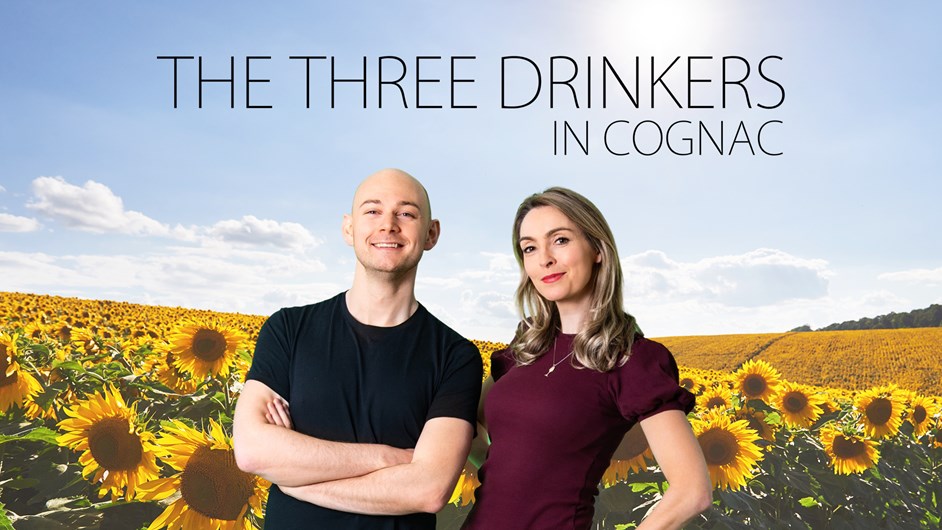
Click on the image to find out more about Aidy's television shows.
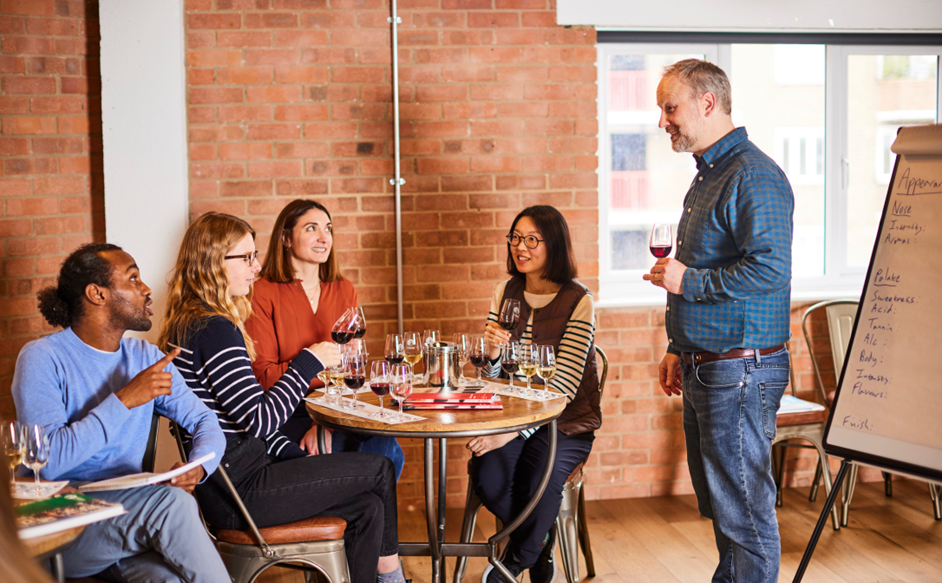
At WSET, we see the same dynamic in classrooms. Learners who may struggle with one format often flourish in another. That is why educators are encouraged to vary their teaching styles, blending discussion, practical activities and visual materials, so that no one is left out of the learning journey.
Despite this celebration of strengths, both speakers were clear that stigma and misunderstanding remain everyday realities. Aidy spoke candidly about how his Tourette’s tics are often mistaken for intoxication, while Ben recalled hearing dismissive responses like “we’re all a bit ADHD” or “you don’t seem autistic.” Neither comes from malice, they agreed, but both reflect a lack of understanding.
“So much of this is about talking about it. When things are taboo, we don’t talk about them. And this stuff needs to be talked about.” — Ben Branson
That emphasis on open conversation was one of the strongest threads of the discussion. Just as attitudes to mental health have shifted over the last 20 years, so too can attitudes to neurodiversity, but only if people feel safe enough to ask questions, admit ignorance and learn.
When asked whether the drinks industry is doing enough, Aidy was blunt: “Absolutely not.” Despite pockets of progress, he argued that the sector too often relies on words rather than action. His mentorship programme, DRINKLUSIVE, has already supported new voices into journalism, competitions and entrepreneurship, yet support has been slow to materialise. Ben added a caution against “tick-box” training: companies may feel reassured by a single workshop, but genuine change comes from embedding curiosity and flexibility into everyday business practice.
This is something WSET is actively working towards. Through our Continuing Educator Development programme, WSET provide resources on inclusivity and learning styles, helping our course providers make small but powerful adjustments. As the speakers highlighted, meaningful change does not require sweeping overhauls. Often it is the simple questions, like “How do you like to learn?” or “What format works best for you?” that make the difference between surviving and thriving.
Both Aidy and Ben pointed to creativity as the ultimate gift of neurodivergence. Aidy transformed rejection into a global TV career, while Ben’s obsessions with herbs and trees led to the creation of Seedlip and his latest innovations in non-alcoholic spirits. What unites their stories is not just resilience but vision, a refusal to accept “that’s just how it’s done.”
Their advice to the next generation echoed this. For Ben, the key is to “do what you love,” to let deep passions shape a career in drinks. For Aidy, it is about refusing to be confined: “Don’t be afraid to break the boundaries. If the system doesn’t work for you, create your own.”
As the conversation drew to a close, optimism replaced frustration. Both speakers noted a growing willingness to have these discussions openly, whether at trade fairs, through charities or in education. Aidy reminded us that neurodivergence is both “a superpower and a challenge,” while Ben pointed to the progress already being made in normalising different ways of thinking.
For WSET, the message is clear. Our mission is to empower people everywhere to explore the world of drinks, and to do that we must continue building environments where every kind of learner can flourish. By listening, adapting and valuing difference, we do not just make the drinks world more inclusive. We make it stronger, richer and more creative for everyone.
